
Every year, we recognize the bravery of veterans who served their country. Yet many continue fighting silent emotional battles long after deployment. PTSD and trauma support for veterans is not just a clinical need , it is a collective responsibility. When veterans feel understood and supported, healing becomes more possible.
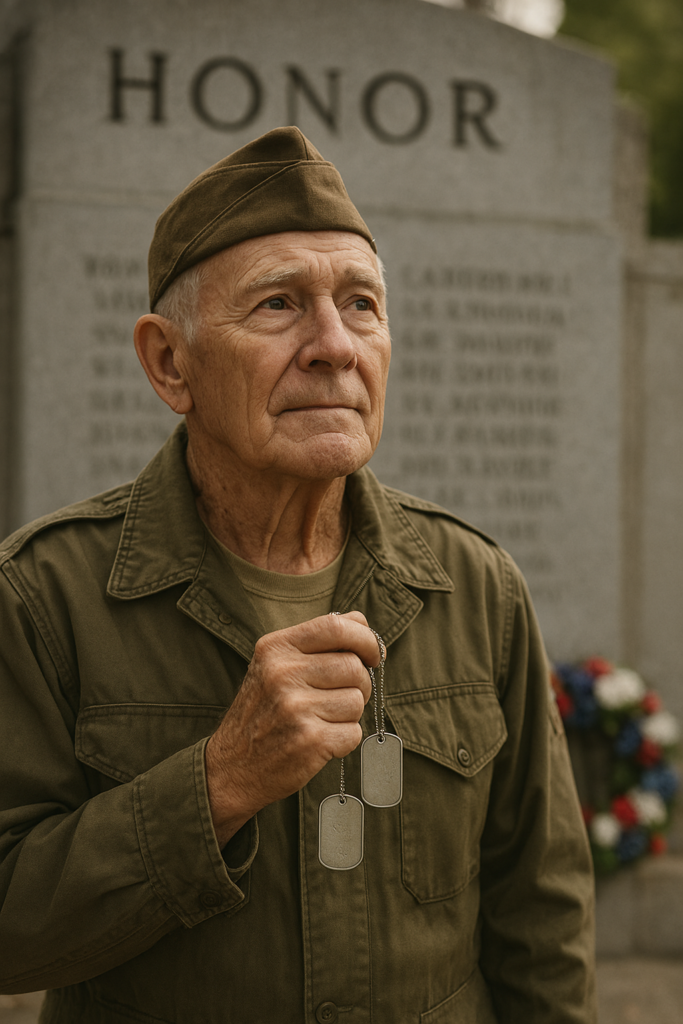
Understanding PTSD and Trauma support for Veterans
PTSD, or Post-Traumatic Stress Disorder, can develop after exposure to traumatic events. Many veterans struggle with symptoms such as:
- Flashbacks or intrusive memories
- Avoiding reminders of combat
- Feeling constantly on edge
- Trouble sleeping or concentrating
While PTSD affects everyone differently, timely trauma support for veterans greatly improves recovery. Studies show that therapy, peer connection, and community support lead to better mental health outcomes.
Why Many Veterans Stay Silent About PTSD
Although support is available, many veterans hesitate to seek help. Reasons often include:
- Fear of being seen as “weak”
- Worry about burdening loved ones
- Belief that civilians will not understand combat trauma
- Long wait times for professional services
However, staying silent can intensify emotional pain. Therefore, open conversations and steady encouragement reduce isolation and make seeking help feel safer.
Practical Ways to Offer PTSD and Trauma Support for Veterans
1. Listen Without Pressure
Active listening validates emotions and builds trust. Instead of pushing for details, say things like:
“I’m here when you’re ready to talk.”
2. Encourage Professional Therapy
Counseling and trauma-focused therapy are proven to help. Gently sharing resources can make reaching out less overwhelming.
3. Promote Peer Support Groups
Support groups allow veterans to talk with others who understand their experience, which often provides relief and reduces shame.
4. Create a Calm and Predictable Environment
A sense of safety matters. Predictable routines and clear communication can help lower anxiety.
5. Celebrate Progress – Not Perfection
Healing isn’t linear. Encouragement during setbacks can be just as important as celebrating progress.
Local and National Resources for PTSD and Trauma Support
Seeking help is a sign of strength not weakness. Below are trusted support options for veterans:
📌 Veterans Crisis Line (USA)
988 + Press 1
Chat: https://www.veteranscrisisline.net
📌 NAMI – National Alliance on Mental Illness
For education, support groups, and family resources
https://www.nami.org
📌 VA PTSD Support & Treatment Locator
Find nearby services
https://www.ptsd.va.gov
📌 Befrienders Worldwide (global emotional support)
https://www.befrienders.org
Why Continuing the Conversation Matters
Many people assume that support ends once awareness days are over. However, real change requires ongoing commitment. For example, when families, friends, and communities keep checking in on veterans, healing becomes easier. In addition, consistent encouragement helps veterans feel safe seeking help instead of withdrawing. Moreover, every shared resource – whether it’s a hotline, therapy program, or peer group – increases access to care. As a result, more veterans receive the support they deserve, and fewer face their challenges alone. Ultimately, continued awareness and compassion ensure that emotional wounds are acknowledged, respected, and treated with dignity.
When to Seek Immediate Professional Help
Help should be requested right away if someone:
- Talks about harming themselves or others
- Shows drastic behavioral changes
- Becomes increasingly withdrawn or hopeless
Early support prevents crises and improves long-term wellness.
Conclusion
Honoring veterans means more than recognizing their service – it means supporting their healing. When communities normalize conversations about PTSD, encourage treatment, and offer steady emotional support, veterans are reminded that they are not alone.
Every check-in matters. Every resource shared matters. And every act of compassion moves us closer to a world where PTSD and trauma support for veterans is easy to access, stigma-free, and embraced by everyone.
Connect to our other Posts
https://www.youfirsthealthcare.com/movember-mens-mental-health/
https://www.youfirsthealthcare.com/holiday-anxiety-coping-tips/

Leave a Reply